Between Sea and Soil: What Rural and Coastal Living Means to Us
This piece explores the realities behind these rural and coastal landscapes and what they mean for the people who call them home.
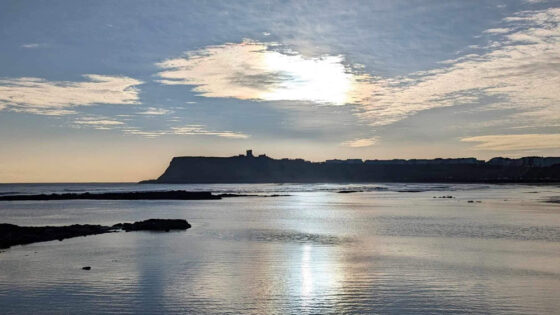
Sunset picture over Scarborough beach
Understanding Life on the Rural Coast
What does it mean to live in a rural and coastal area? For some, it means peace, family, and a deep sense of belonging. For others, it means living with a mix of isolation and community, wealth and hardship, opportunity and challenge. In rural and coastal places like ours, these differences shape daily life, who we are, and how we feel in very real ways.
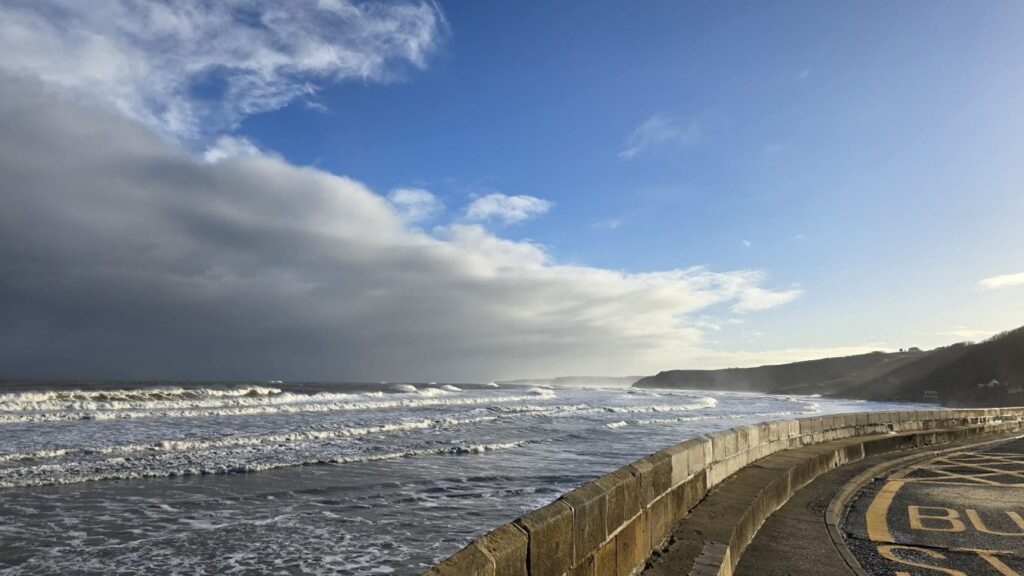
To truly understand what “rural” and “coastal” mean to those who live there, we went directly to residents.
We asked ‘What does coastal and rural mean to you?’ We spoke with community groups made up of people from all walks of life, some who have lived here all their lives, and some who have moved here more recently. At the heart of this piece of work are the stories and thoughts shared by people across these communities. Their voices show not just what rural and coastal life is really like, but also the pride, frustrations, and hopes that are part of living there.
One person summed this up beautifully:
“Life here is shaped by two horizons—the sea on one side and the moors on the other. You grow used to navigating both.”
This connection between the sea and the land sets the rhythm of life on the rural coast.
A Landscape of Beauty and Contrast
Many people we spoke to first talked about what the place looks and feels like; its textures, its moods, and how it changes.
“Coastal and rural means to me: isolating, buzzing, salty, rocky.”
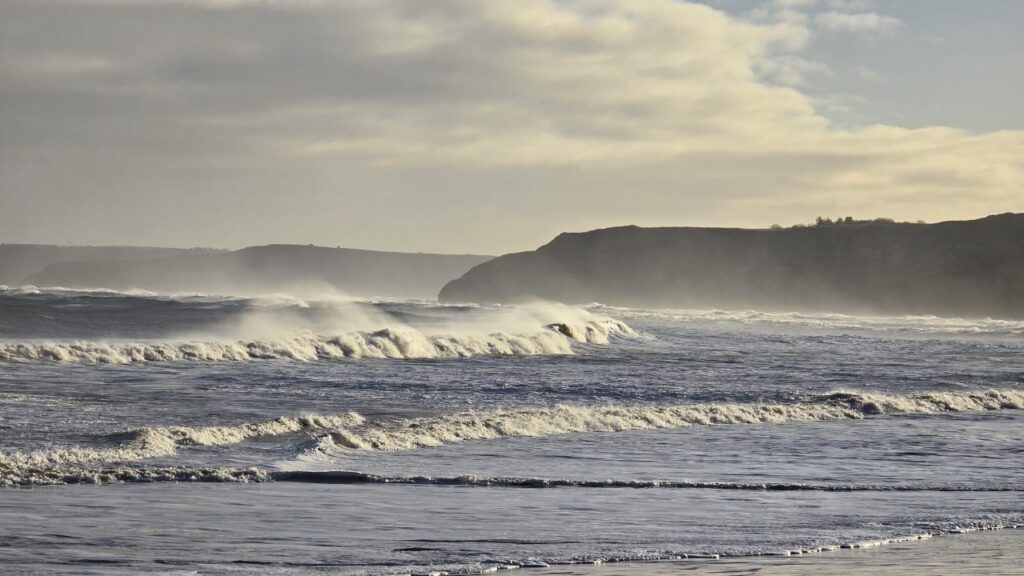
Our town sits between the sea and the countryside — with rolling farmland, forests, and open moorland all close by. This varied landscape shapes everyday life:
“Within just a few miles in one direction I can sit or walk on the beach—in other directions, farmland, woodland and moorland.”
Yet all this natural beauty sits alongside some very real inequalities:
“It also means a real mix in terms of wealth and deprivation… “
The landscape may be beautiful, but people’s everyday experiences are complex and varied.
The Numbers Behind the Narrative
The stories people shared match what national data tells us. Rural and coastal areas have significantly older populations, limited healthcare access, and greater deprivation compared to urban areas. These challenges are compounded by mental health pressures and poor transport links, leading to increased isolation and reduced access to essential services.
Living on the Edge—Isolation and Belonging
Distance from bigger towns and cities plays a big part in rural and coastal life. People talked about
feeling both physically far away and overlooked by those in power:
“It’s about living a bit out on a limb, 45 miles from York but a world away in public transport, cultural spaces, and health facilities.”
At the same time, that sense of being out on a limb can also create a real pride in where you live:
“I chose to live here in the Coast & Moors. It’s beautiful and always developing music, arts, and culture but it can still feel forgotten or cut off.”
Other residents described both the difficulties and the good things about living here:
“Long distances to hospitals, older patients, road traffic accidents, underdeveloped public transport links.”
“But also, supportive communities, beautiful countryside, and a population that changes with the seasons.”
Challenge and belonging go hand in hand — and that tension sits right at the heart of rural coastal life.
Local Voices, Heritage, and Tradition
Our town’s identity is not just about geography or hardship. Its history goes back a long way from Viking roots and medieval markets to its long life as a working seaside town.
Boxing Day: Ladies’ Day
A unique local custom where fishing women celebrated the end of a long season by dressing up and heading to the pubs while the men stayed home with the children. Today it remains a joyful, colourful event celebrating resilience and community.
These traditions remind us that rural and coastal life is full and rich it is as much about community spirit as it is about hard times.
A Place of Contrasts and Connection
Rural and coastal living is more than just where you live; it’s a whole way of life, shaped by the land, history, community, and the ability to keep going. It brings calm and beauty, but it also asks a lot of the people who live here.
The voices shared here show that while communities like ours may sometimes feel “cut off,” they are full of history, stories, and potential. Whether people are drawn by the sea or the quiet of the countryside, those who call this place home share a deep connection to it — and a shared hope for more recognition, investment, and a better future.